
The Quest To Find A Solution To Clean Space Junk Continues
언어
읽기 수준
기사 듣기
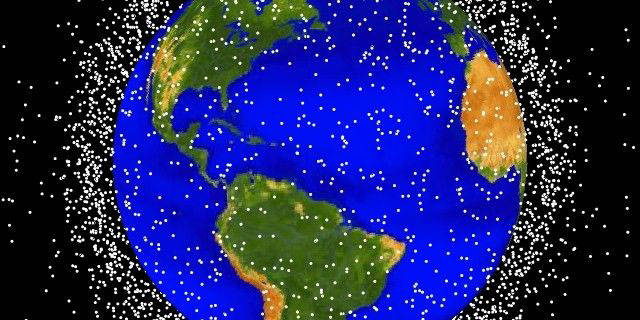
When humans began Space exploration about 55 years ago, they had no intention of leaving behind equipment that had served its purpose. It could after all, easily fall to Earth and harm innocent people. But that fear subsided in 1964 when American research satellite Vanguard 1 continued to rotate in orbit even after it had lost all contact with ground scientists. Since then researchers have become increasingly comfortable about leaving trash behind.
이 기사의 나머지 부분을 읽고 학습 도구에 액세스하려면 등록해야합니다.
지금 학습 시작하기댓글 450개
- dl kali10년 이상Another one 😎😎😎😎😎😎
- traxxas10년 이상how is this going to work IDK
- dj10년 이상its ok
- glen flora10년 이상This is sooooooooo cool
- abe10년 이상this is sick
- kmk10년 이상wow
- john cena 10년 이상cool
- I'm not telling10년 이상This really helped me
- gkirk 10년 이상well said munch I agree
- Munch10년 이상The only potential problem with the "debris engine spacecraft is if debris hits it from the sides and damage it. As it says in the article, the energy from the tandem electrostatic accelerator won't be enough to power the whole spacecraft. The solution would be to put solar panels on the outside but that risks damage. There is a long process to go through but eventually, we may have the technology to dispose of space junk efficiently.
 prettypurr10년 이상I'm soooo confused
- prettypurr10년 이상i think thats polluting the earth is one thing but polluting space somewhere we don't live thats just wrong its like going to someones house and leaving it a mess you no. follow me ;p
 friberg10년 이상Not Really, So Far The Only Life That We Know Of Is On Earth, And The Debris Will Only Orbit Earth